My Biology Glossary
My Biology Glossary.
Hi, my name is Ariane, I am 18 years old, and I have been studying Science at Montmorency College for about 1 year. In my program, I learn about physics, mathematics, biology, and chemistry. This glossary will help students who are in the same program as me or who wants to learn more about biology. It is a great tool for students who are having difficulties with the biology vocabulary. The words I chose to explain in my biology glossary are often used in my field and are a lot of the time misunderstood by students. I went in my notes to find the terms I also had trouble to understand at first, and I found the definitions of each word on Google. I want you to take the time to read each word and to really understand its meaning and how to use it in a sentence.
- adaptation
- noun
- Physiological adaptation - Definition and Examples - Biology ... An adaptation is a trait that improves an organism's ability to survive and reproduce in its environment, or the process by which an organism develops such traits.
- Example: Two years would represent a rapid ADAPTATION to the new culture, four or five being more likely.
- en: adaptation

- autoimmune
- adjective
- Autoimmune diseases are health conditions that happen when your immune system attacks your body instead of defending it.
- Example: Type one diabetes, or juvenile-onset diabetes, is an AUTOIMMUNE condition in which self-pancreatic cells are targeted by immune cells and are destroyed.
- en: auto-immune

- biome
- noun
- A biome is a large geographical region on Earth defined by its distinct climate, vegetation, and animal life, such as forests, deserts, and grasslands.
- Example: Small range size is associated with forest BIOME, and the few species that inhabit savanna or woodland habitats tend to be more widespread.
- en: biome

- chromosome
- noun
- A chromosome is a thread-like structure within a cell's nucleus that carries genetic information in the form of DNA.
- Example: This region on the CHROMOSOME 14 encodes genes for the immunoglobulin heavy chain.
- en: chromosome

- decomposition
- noun
- Decomposition is the process of breaking down complex matter into simpler components.
- Example: Methane is given off by coal, natural gas and oil however more naturally it is produced by the DECOMPOSITION of organic waste and by livestock.
- en: décomposition

- disease
- noun
- A disorder of structure or function in a human, animal, or plant, especially one that has a distinctive group of symptoms, signs, or anatomical changes and often a known cause.
- Example: The British Medical Journal recently claimed that such a tax could help prevent 1,000 premature deaths from heart DISEASE a year in the UK.
- en: maladie

- ecosystem
- noun
- An ecosystem is a geographic area where plants, animals and other organisms, as well as weather and landscape, work together to form a bubble of life.
- Example: It is these species of whales that whalers wish to hunt commercially, believing that with modern techniques a hunt of these species could be sustained without damage to the ECOSYSTEM.
- en: écosystème

- enzyme
- noun
- Structure and Function of an EnzymeAn enzyme is a protein that acts as a biological catalyst, speeding up specific chemical reactions necessary for life without being consumed in the process.
- Example: This ENZYME is found at extraordinary high levels in skeletal muscles.
- en: enzyme

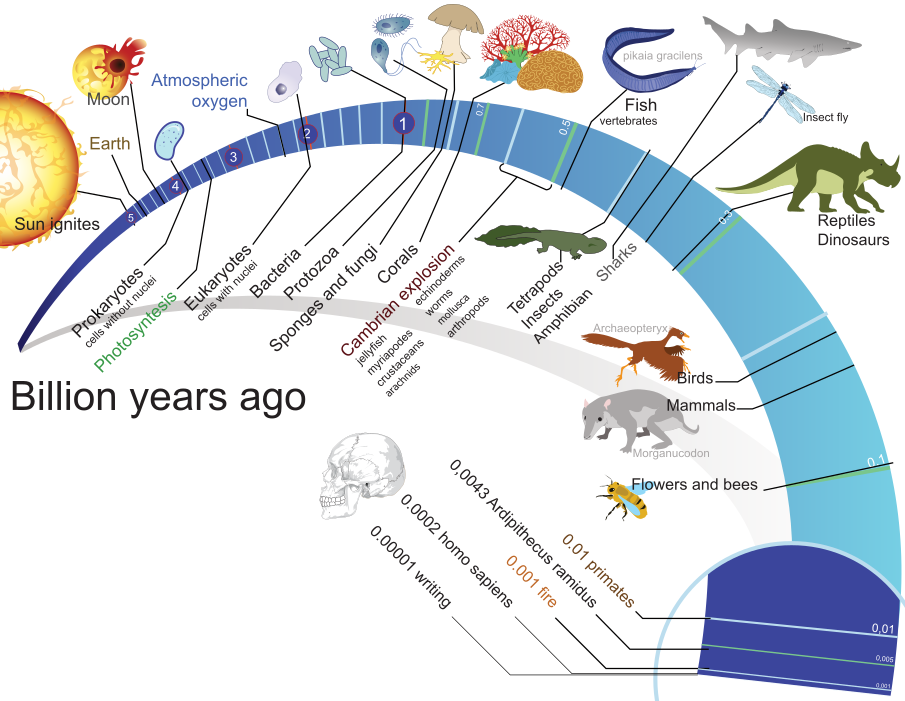
- evolution
- noun
- The process by which animals, plants, and other living organisms are transformed into different forms by the accumulation of changes over successive generations.
- Example: For more than a century, the fossil record for human EVOLUTION was viewed as ladder like series of succession of species, with an apelike ancestor at the bottom and modern humans at the top.
- en: évolution
- gene
- noun
- A gene is a specific section of DNA that contains the instructions for building a protein, a molecule essential for your body to function and develop.
- Example: He contends as this GENE is most common in Europeans being uncommon in Africans and virtually unknown in Asians.
- en: gène

- homeostasis
- noun
- Homeostasis is the process by which a living organism maintains a stable internal environment, or balance, despite changes in its external environment.
- Example: Mammals have the regulation of body temperature from HOMEOSTASIS, and plants regulate the conversion of carbon dioxide into oxygen via photosynthesis.
- en: homéostasie

- hormone
- noun
- A regulatory substance produced in an organism and transported in tissue fluids such as blood or sap to stimulate specific cells or tissues into action.
- Example: This was first observed in obese mice, where a HORMONE, called leptin, which is responsible for switching off hunger was missing.
- en: hormone

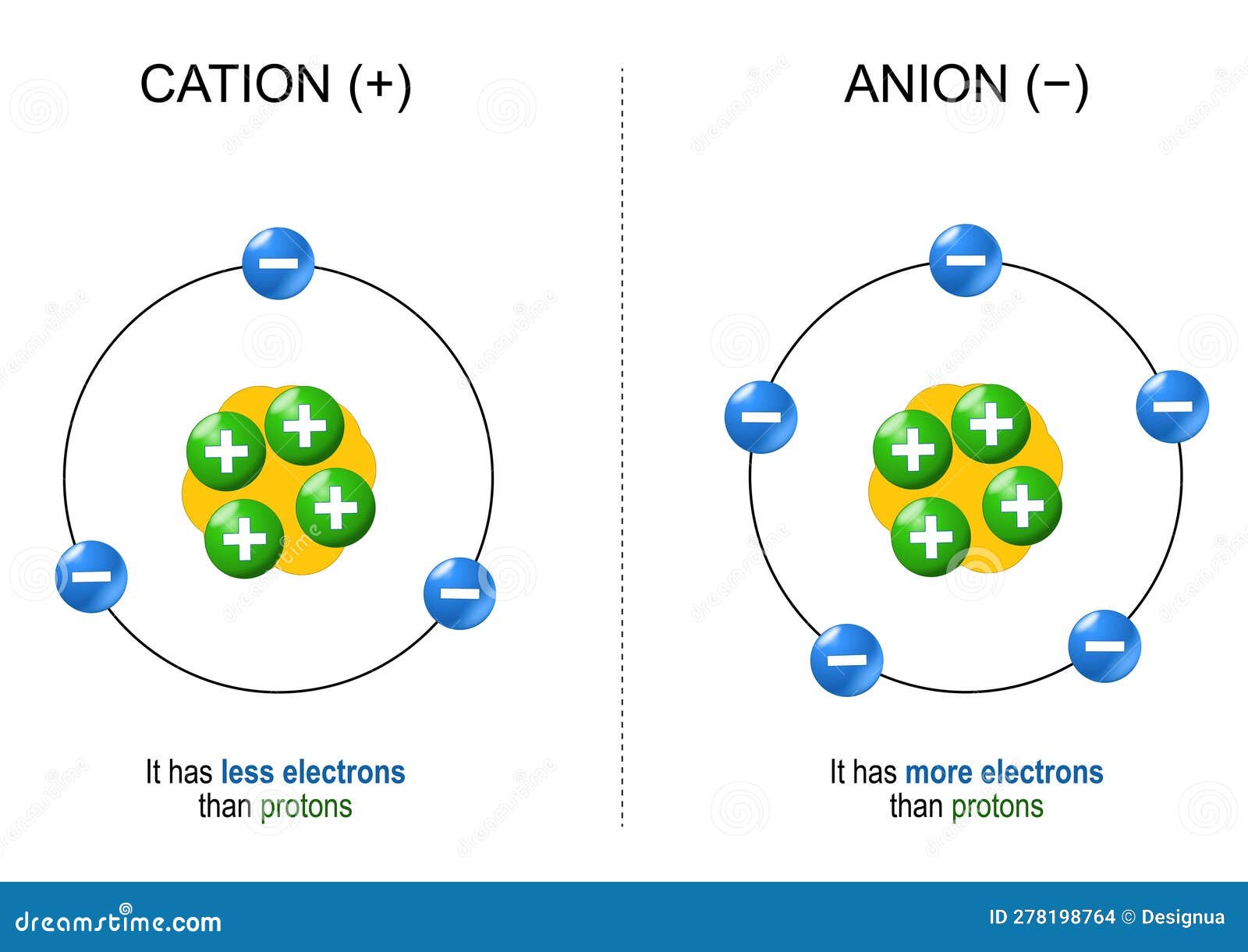
- ion
- noun
- An atom or molecule with a net electric charge due to the loss or gain of one or more electrons.
- Example: In all cases, ION concentration changes within the cells are essential for generation of an electrical signal.
- en: ion
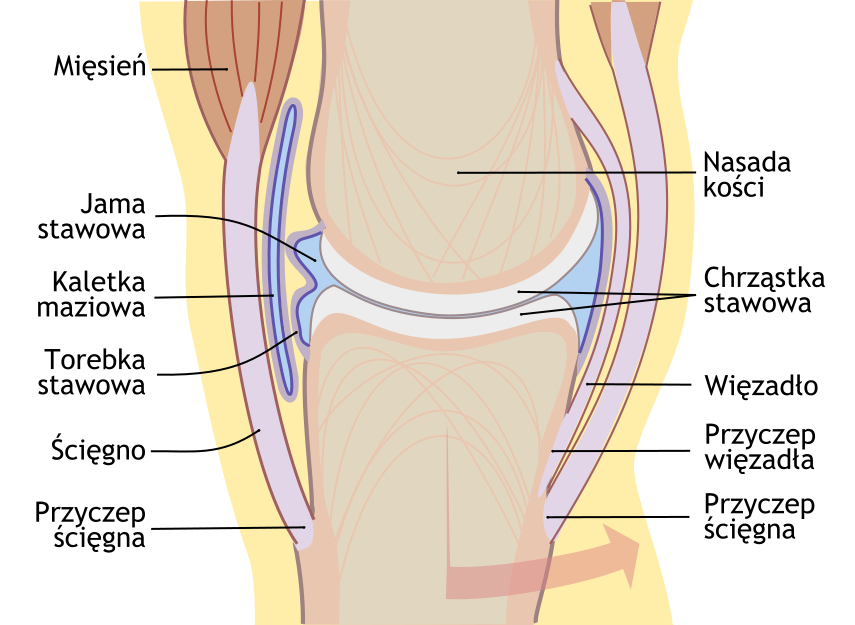
- joint
- noun
- A structure in the human or animal body at which two parts of the skeleton are fitted together.
- Example: She's been having pain in her muscles and joints.
- en: articulation
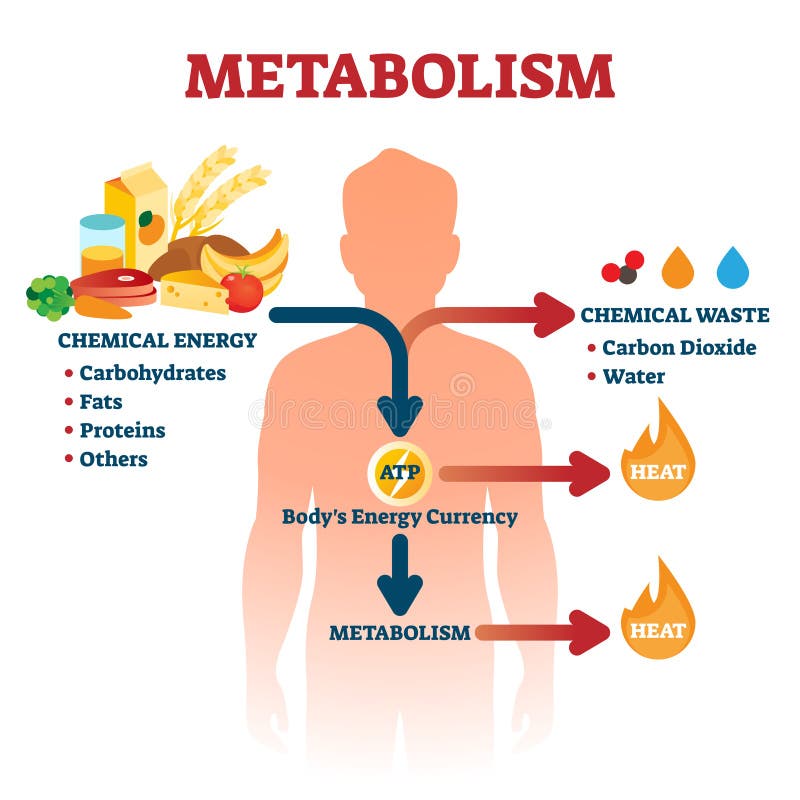
- metabolism
- noun
- Metabolism is the entire set of chemical reactions within the cells of a living organism that transform food and drink into energy to sustain vital processes like growth, movement, thinking, and maintaining normal cell function.
- Example: Hibernation may occur in the winter when the temperatures in the environment go below that in which reasonable METABOLISM can occur.
- en: métabolisme
- neuron
- noun
- Neurons are nerve cells that send messages all over your body to allow you to do everything from breathing to talking, eating, walking, and thinking.
- Example: The diagram at the end of this question illustrates how an impulse moves down a NEURON and neurotransmitters cross the synaptic gap.
- en: neuron

- nucleus
- noun
- A nucleus is the "control center" of a eukaryotic cell, containing the cell's genetic material (DNA) within a membrane-bound structure called the nuclear envelope.
- Example: This provided an early indication that the method of genetic replication in eukaryotic organelles is dissimilar to that employed by the nucleic acid in the NUCLEUS, but identical to the way in which prokaryotic DNA is replicated.
- en: noyau

- organ
- noun
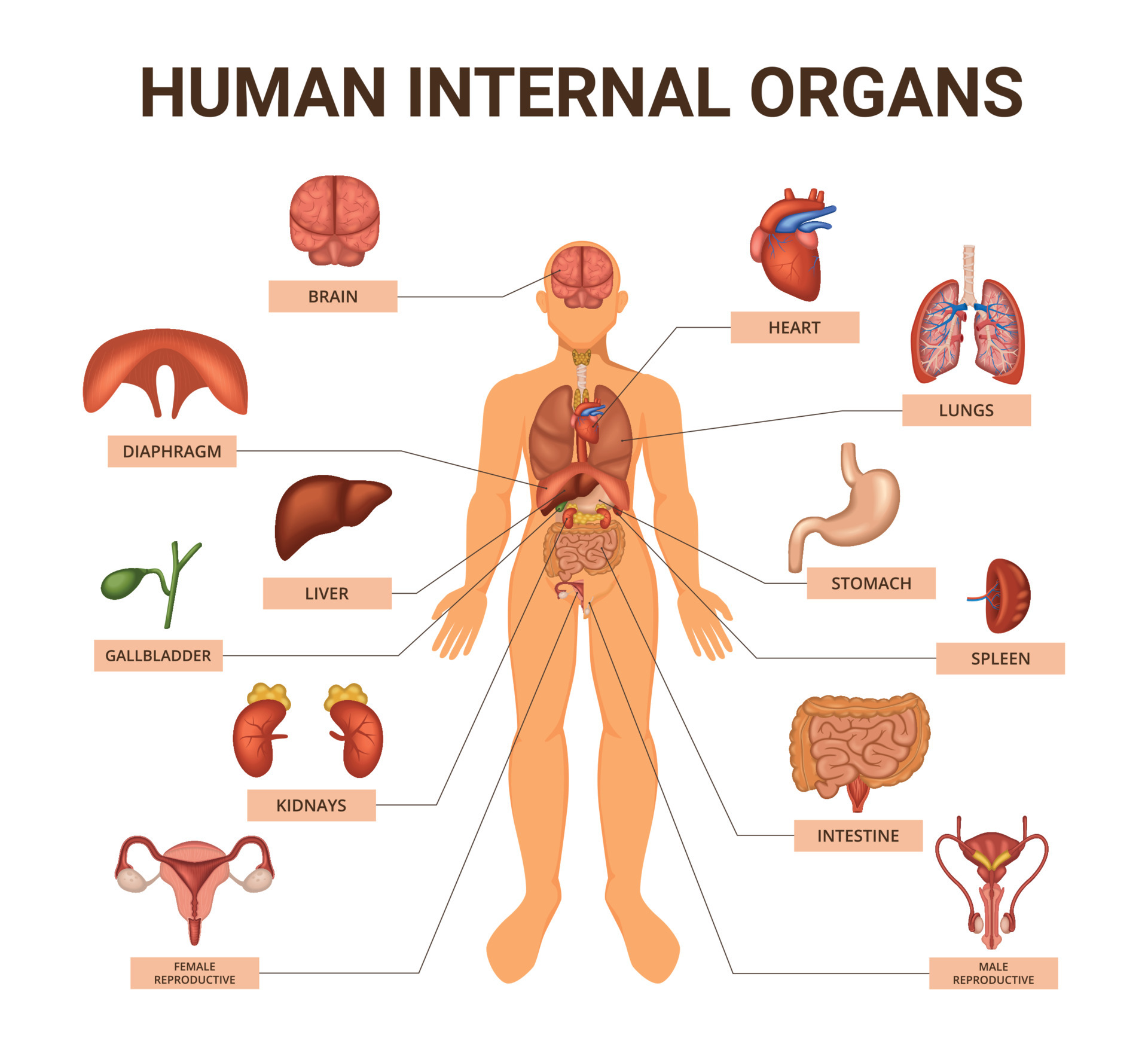
- An organ is a specific body part, like the heart or lungs, made of different types of tissues that work together to perform a unique, important function.
- Example: The skin is a well-understood ORGAN.
- en: organe
- protein
- noun
- What Are Proteins? Protein Definition, Functions, ExamplesA protein is a large, complex biological molecule essential for life, built from chains of smaller units called amino acids.
- Example: People are starting to realise how beef is of good quality and can provide variable nutrition and high proportions of PROTEIN.
- en: protéine

- to compare
- verb
- To examine (two or more objects, ideas, people, etc.) in order to note similarities and differences.
- Example: I hope TO COMPARE and contrast the most important aspects of the system and then give an overall conclusion.
- en: comparer

Thanks for sharing your glossary!
ReplyDelete